
Active recovery: what to do on a rest day
A rest day doesn't have to mean lying on the couch. I explain what active recovery is, how light movement helps and what the science really supports.
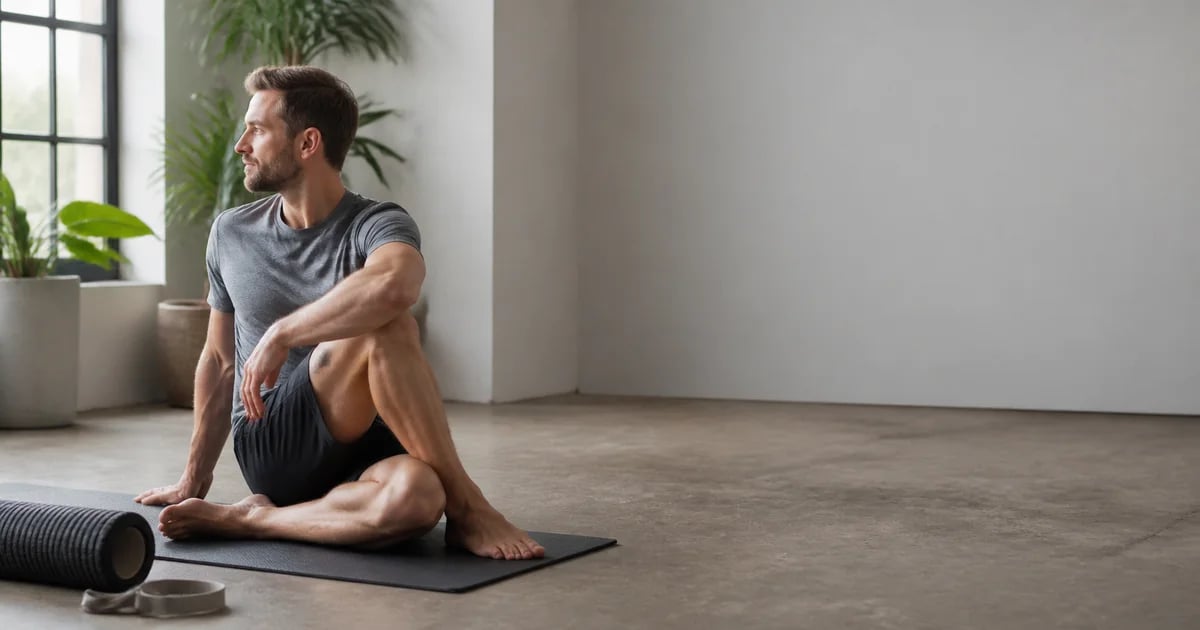
My name is Amer, I'm a trainer from Goražde, and I work mostly on biomechanics, injury prevention, and recovery. When I tell clients tomorrow is a rest day, I often hear two extremes: some think it means lying down completely, others feel guilty if they don't break a sweat. The truth sits in between, and it's called active recovery. In this article I'll explain what it really is, what the science supports, and how to use a day off so your next session is better.
Short answer
Active recovery is light, low-intensity movement on a rest day instead of complete stillness: a walk, easy cycling, relaxed swimming, gentle mobility. The goal is to raise blood flow through the muscles, keep the joints moving, and help the body clear the byproducts of effort, all without creating new fatigue. The intensity has to be genuinely easy, at a level where you can talk normally. The evidence shows active recovery can reduce the feeling of stiffness and help you come back fresher sooner, though it doesn't dramatically speed up the repair of the muscle tissue itself. For most people, 20 to 40 minutes of light movement does the job.
What happens in the body when you move lightly
When you stay completely still, blood flow through the muscles is low. Light movement raises it, and it's the blood that carries oxygen and nutrients to the tissue and takes metabolic byproducts away. That's why after fifteen minutes of walking, muscles that were stiff in the morning usually feel looser and more mobile.
Be clear on what active recovery does and doesn't do. It does not repair muscle fibers faster, that job belongs to sleep and nutrition. What it does is ease the sensation, maintain mobility, and keep the movement habit alive even on days you don't train hard. That's the difference between a rest day that leaves you stiff and one that returns you ready.
Why complete rest isn't always best
There are situations where full rest is exactly what you need, more on that below. But for most recreational lifters, a day spent completely inactive often means waking up the next day stiffer than if they'd moved a little. Long immobility, sitting all day after a hard session, holds muscles in a shortened position and slows blood flow right when the tissue needs supply.
That's why I tell clients to treat a rest day as a light movement day, not a zero day. It doesn't need to be a structured workout. A long dog walk, an easy bike ride to work, or fifteen minutes of mobility in front of the TV are already enough to change how you feel.
What the science really says
Let me be honest here, because a lot gets sold around recovery. The evidence on active recovery is moderate, not sensational.
- Feeling of stiffness. Research consistently shows that light movement reduces stiffness in the short term and eases the subjective sense of recovery. That's a real and useful effect.
- Lactate clearance. Light movement speeds up lactate clearance after hard work, but that mostly matters in the hours after a session, not a day later, since lactate clears quickly on its own.
- Tissue repair. Active recovery does not dramatically speed up the repair of damaged fibers. Sleep, protein, and time do the main work there.
- Maintaining the habit. Often underrated, and maybe the most important effect: light movement on a day off keeps the routine alive and makes returning to the next session easier.
In other words, active recovery is a useful tool but not magic. Set up realistically, it serves you well.
Concrete forms of active recovery
There's no need to complicate it. Anything light, rhythmic, and comfortable works. Here's what I recommend most.
- Walking. The simplest and most underrated form. Thirty to sixty minutes of easy walking raises blood flow with no stress on the joints.
- Easy cycling or swimming. Excellent because there's almost no impact load, so the joints get a break while the blood moves.
- Gentle mobility. Controlled movements through a full range for the hips, shoulders, and spine. I wrote about serious range-of-motion work in my article on mobility.
- Light foam rolling. Gentle, not aggressive, can ease the feeling of stiffness. Not mandatory, but some people enjoy it.
The common thread is intensity. If you get out of breath, sweat heavily, or feel like you're doing a real workout, you've crossed the line and it's no longer recovery.
How dosing intensity decides everything
This is the part people get wrong most often. Active recovery only works if it's genuinely light. The test is simple: you should be able to hold a normal conversation without getting winded the whole time. If you turn a rest day into moderate cardio, you're not recovering, you're adding fatigue that will follow you into your next real session.
With clients I use a rough rule: active recovery should leave you feeling fresher afterward than before, not more tired. If you get up from the activity more tired, it was too much. That line is individual, so it's worth finding for yourself.
When full rest is better
Active recovery isn't mandatory every time. There are situations where complete stillness is the smarter choice. If you're overworked, sleep-deprived, and stressed, another activity, however light, only adds load to a tired system. If you're recovering from injury or illness, rest is part of the treatment. And after an especially hard training week, one day of real nothing has its place.
The point is to choose consciously. A rest day isn't one-size-fits-all: sometimes it's an easy walk, sometimes it's the couch and good sleep. The skill is recognizing what your body is asking for that day, and that's something you learn to read over time.
How to fit active recovery into the week
In the programs I write, recovery days aren't gaps but part of the plan. After the hardest sessions I place a light movement day so the body absorbs the work. A typical week for someone training four times might have two or three days of light active recovery and at least one day of complete rest. That way load and recovery alternate instead of piling up.
If you want someone to set up your training and recovery so you progress without constant fatigue, see how I work with clients and get in touch. I build plans on biomechanics and your everyday life, here in Goražde and online.
FAQ
- What is active recovery?
- Active recovery is light, low-intensity movement on a rest day instead of complete stillness: a walk, easy cycling, relaxed swimming, or gentle mobility. The goal is to raise blood flow and keep the joints moving without creating new fatigue, so you come back to your next session fresher.
- Is active recovery better than complete rest?
- It depends on the situation. For most recreational lifters, light movement reduces stiffness and eases the return, while complete stillness leaves muscles stiffer. But when you're sleep-deprived, stressed, ill, or recovering from injury, full rest is the smarter choice.
- How long should active recovery last?
- For most people 20 to 40 minutes of light movement is enough. Intensity matters more than duration: it should be easy enough that you can talk normally the whole time. If you get out of breath or sweat heavily, you've crossed into a workout, and that's no longer recovery.
- Does active recovery speed up muscle healing?
- Not dramatically. Sleep, protein, and time do most of the work repairing damaged muscle fibers. Active recovery helps by reducing the feeling of stiffness, maintaining mobility, and keeping the movement habit alive, which is still valuable on a day off.