How to Lose Belly Fat: What Actually Works
Spot reduction is a myth. Belly fat only leaves when you lose overall body fat. Here are the real levers, a realistic timeline, and what to stop wasting money on.
Get your free AI training and nutrition plan in 60 seconds
The Truth About Losing Belly Fat
Here is the answer nobody selling you a "flat-tummy" product wants you to hear: you cannot target belly fat. There is no exercise, food, wrap, or supplement that burns fat from one specific spot. Belly fat is simply body fat that happens to sit on your midsection, and the only way to lose it is to lose overall body fat by holding a consistent calorie deficit over time.
Your body decides where fat comes off first, and for most people the stomach is stubborn and goes last. That is genetics and hormones, not a personal failure. Do the boring fundamentals long enough and the belly fat leaves. Everything below is how to do exactly that.
Why Spot Reduction Is a Myth
Spot reduction is the idea that training a body part burns the fat sitting on top of it. It sounds logical and it is completely wrong. When you do crunches, the abdominal muscles contract and grow stronger, but they do not pull fuel from the fat cells directly above them. Fat is broken down into free fatty acids, released into the bloodstream, and burned wherever your body needs energy, which can be anywhere.
Researchers have tested this repeatedly. In one classic study, participants trained one arm for weeks; fat loss was equal in both arms, not the trained one. A famous six-week program of thousands of situps produced no greater fat loss on the stomach than on the rest of the body. The mechanism just does not exist. Doing 500 crunches a day builds a strong core hidden under the same layer of fat you started with.
Visceral vs Subcutaneous Fat: Why It Matters for Health
Not all belly fat is the same, and the distinction is about far more than looks.
Subcutaneous Fat
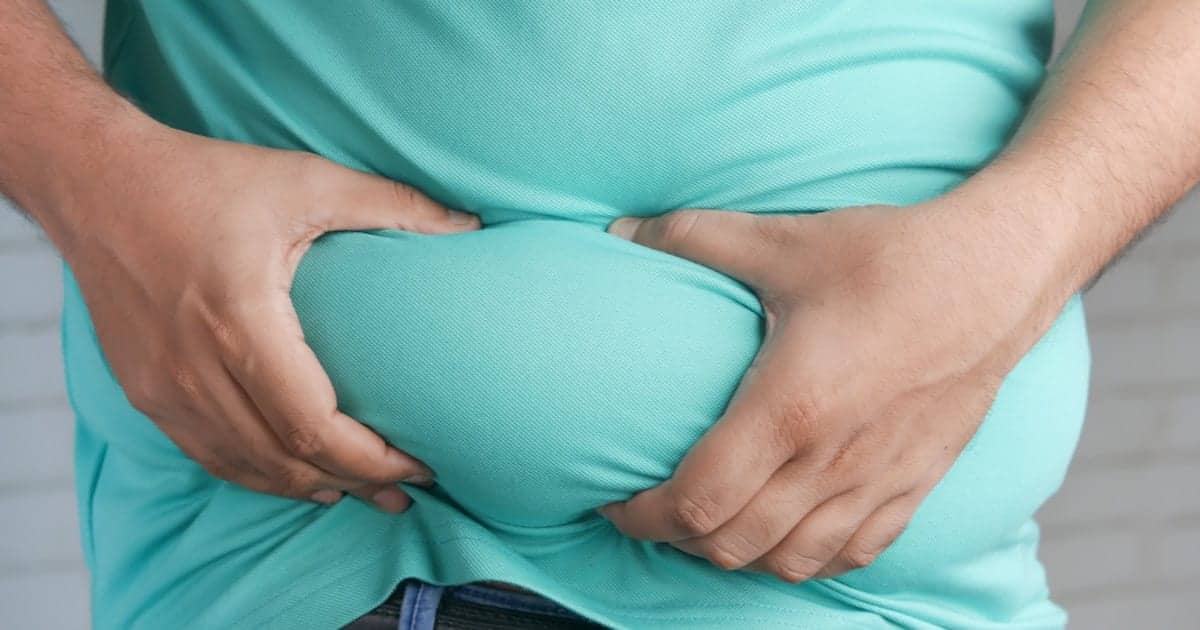
This is the soft fat you can pinch just under the skin. It is the layer that hides your abs. It is largely a cosmetic concern and is relatively harmless in normal amounts, though it is usually the last to go.
Visceral Fat
This is the deeper fat packed around your organs, and it is the one that matters for your health. High visceral fat is strongly linked to insulin resistance, type 2 diabetes, high blood pressure, heart disease, and chronic inflammation. It is metabolically active in a bad way, pumping out compounds that disrupt how your body handles blood sugar and cholesterol.
The good news: visceral fat is often the first to respond when you start eating in a deficit and moving more. You can lose a meaningful amount of the dangerous stuff well before your abs show. A shrinking waist measurement is a genuine health win even when the mirror is still lagging.
The Real Levers That Actually Burn Belly Fat
Five things move the needle. Nothing else does, and no product replaces them.
1. A Sustainable Calorie Deficit
This is the whole game. To lose fat you must eat fewer calories than you burn, consistently, for weeks and months. Every diet that works, whether keto, low-carb, intermittent fasting, or "clean eating," works only because it puts you in a deficit. Aim for a moderate cut of roughly 300 to 500 calories per day. That pace protects muscle and is easy to sustain; aggressive crash diets backfire because you cannot stick to them and you burn off muscle. If you want the full math on setting your target, read our complete calorie deficit guide.
2. High Protein
Protein is the most important macronutrient when you are cutting. It keeps you full so a deficit feels less brutal, it preserves muscle while you lose fat, and it has the highest thermic effect, meaning you burn more calories just digesting it. Aim for roughly 1.6 to 2.2 grams of protein per kilogram of bodyweight per day. Build meals around a protein source first: chicken, fish, eggs, Greek yogurt, lean beef, tofu, legumes. See our protein guide for exact numbers.
3. Strength Training to Keep Muscle
When you lose weight, some of it can come from muscle unless you fight for it. Lifting weights signals your body to keep the muscle you have. That matters twice over: muscle is what gives you a tight, defined look once the fat is gone, and more muscle means a higher resting metabolism, so you burn more calories around the clock. Train the whole body two to four times a week with compound lifts like squats, deadlifts, presses, rows, and pulls.
4. Cardio and NEAT
Cardio does not magically melt belly fat, but it burns calories and makes your deficit easier to hit without eating even less. Two or three sessions a week is plenty. Just as important is NEAT: non-exercise activity thermogenesis, the calories you burn walking, standing, fidgeting, and doing chores, all part of the everyday physical activity that benefits your whole body. A daily step target of 8,000 to 10,000 often burns more total fat than a single hard gym session, and it is far easier to sustain. Move more all day, not just for one hour.
5. Sleep and Stress Management
Underrated and decisive. Poor sleep raises hunger hormones, tanks your willpower, and makes you crave sugar and refined carbs the next day. Chronic stress keeps cortisol elevated, which is associated with the body storing more fat in the abdominal area specifically and with heavier appetite. Sleep seven to nine hours, and manage stress with walks, training, and downtime. You can do everything else right and stall out on four hours of sleep and constant stress.
A Realistic Timeline and How Fast You'll Lose
Fat loss is slow and that is normal. A sensible, sustainable rate is about 0.5 to 1% of your bodyweight per week, which is roughly 0.4 to 0.9 kg for most people. In real terms, expect a visibly flatter stomach in about eight to twelve weeks of consistency, and clearly leaner abs in three to six months depending on your starting point.
Because the belly is often the last place fat leaves, you will lose it from your face, arms, and legs first while the stomach seems to lag. Keep going. The scale will also bounce day to day from water, salt, and digestion, so judge progress by the weekly average and by waist measurements and photos, not a single morning weigh-in. Slower loss that you can maintain beats fast loss you rebound from every time.
Why Ab Workouts Alone Won't Reveal Your Abs
Abs are made in the kitchen, revealed by a deficit, and merely shaped in the gym. Everyone already has abdominal muscles; they are just hidden under a layer of fat. Training abs builds and thickens those muscles, which is worthwhile for core strength, posture, and how they look once uncovered, but it does nothing to remove the fat covering them.
The order that actually works is: create a calorie deficit to strip the fat, lift weights and eat enough protein to keep muscle, and train your core a couple of times a week to develop it. If you want the smart way to build the muscle underneath, our guide to the best core exercises for visible abs covers exactly what to do. But no amount of core work substitutes for the deficit.
What Doesn't Work: Save Your Money
The belly-fat industry is built on selling shortcuts that do nothing.
- Waist trainers and sweat belts: They squeeze your torso and make you sweat, which drops water weight for a few hours. They burn zero fat. The moment you rehydrate, it is back. Prolonged use can even weaken your core and restrict breathing.
- Detox teas and "flat-tummy" teas: Most are laxatives and diuretics. Any change on the scale is water and stool, not fat, and the marketing is often flatly dishonest. Your liver and kidneys already detox you for free.
- Fat-burner supplements: The vast majority do nothing meaningful. A few contain caffeine, which slightly raises calorie burn, but you can get that from coffee. None override a calorie surplus. You cannot supplement your way out of eating too much.
- Endless crunches: As covered above, crunches build muscle but do not burn belly fat. A thousand a day still leaves the fat exactly where it was.
If a product promises to target belly fat specifically or melt fat without diet changes, it is lying. Full stop.
A Simple Weekly Approach You Can Start Now
Forget perfect. Here is a plan that works if you just run it:
- Nutrition: Set a calorie target about 300 to 500 below maintenance. Hit your protein every day. Fill the rest with vegetables, fruit, whole grains, and enough fat to feel normal.
- Strength: Lift three times a week, full body, focused on compound movements, and try to add a little weight or reps over time.
- Cardio and steps: Two short cardio sessions plus a daily step goal of 8,000 to 10,000.
- Core: Train abs directly two times a week for ten minutes.
- Recovery: Seven to nine hours of sleep, and a real handle on stress.
- Tracking: Weigh yourself most mornings and use the weekly average. Measure your waist every two weeks. Adjust calories down slightly only if the average has not moved in two to three weeks.
Run that for twelve weeks before you judge it. Consistency beats intensity every single time.
When to Get a Coach
Most people do not fail because they lack information; they fail because they cannot stay in a deficit long enough, or they guess at their numbers and stall. That is exactly where a coach earns their fee, keeping you accountable, adjusting your calories when progress slows, and building training you will actually do.
Coaches who use a platform like Trainera can set your calorie and protein targets, program your lifts, and track your weight, meals, and waist measurements in one app, so nothing is left to guesswork and adjustments happen before you plateau. If you have been spinning your wheels on your own, structured accountability is often the missing piece. Lose the belly fat by doing the fundamentals, consistently, for long enough. There is no other way, and there does not need to be.
Related reading
Frequently Asked Questions
How long does it take to lose belly fat?
Does cardio burn belly fat?
Why won't my belly fat go away?
What is the best exercise for belly fat?
Can you lose belly fat without losing weight?
Keep Reading
Put this into practice with Trainera
Get your free AI training and nutrition plan in 60 seconds
1800+ exercises, wearables and progress tracking, free with no card needed. AI food scanning comes with Premium. Train solo or with a certified coach.