Localized Meal Plans for International Clients
A meal plan a client cannot read or relate to gets ignored. Localizing nutrition by language and food culture is what makes it stick.
Get your free AI training and nutrition plan in 60 seconds
Delivering meal plans that fit each client's language and culture
Quick answer
Localized meal plans are nutrition plans delivered in the client's own language and built around foods they actually eat. To do this well you translate the plan, adapt the ingredients to local cuisine, and use a platform where the client logs and reads everything in their language. That combination is what turns a plan into daily habit instead of a document they never open.
Why a translated plan is not enough
Coaches often assume that sending a nutrition plan in the client's language solves the problem. Language matters, but food culture matters just as much. A Spanish client will not build habits around a plan full of oatmeal and cottage cheese if their kitchen runs on legumes, olive oil and fish. An Arabic-speaking client in the Gulf eats differently again. If the plan ignores what people actually cook and buy, they quietly abandon it, no matter how well it is translated.
Localizing a meal plan means two things working together: the words are in their language, and the meals reflect their cuisine, budget and what is available in their local shops.
Start with the client's real diet
Before writing anything, learn how the client actually eats. A short intake covering typical meals, favorite ingredients, cooking time and cultural or religious restrictions saves hours of rework. Then build the macros around those foods rather than forcing a generic template onto them.
- Ask what they eat on a normal day, not what they think they should eat.
- Note staple ingredients they always have at home.
- Record restrictions: halal, vegetarian, allergies, fasting periods.
- Check their typical cooking time and skill.
Deliver the plan in their language natively
Translating a PDF by hand for every client does not scale, and static documents get lost. A platform where the client reads the plan, logs meals and tracks macros in their own language keeps nutrition in front of them daily. Trainera runs in 23 languages across web and mobile, including full Arabic with right-to-left support, so a coach can deliver one client a plan in Spanish, another in German and another in Arabic, each experiencing it natively in the same app.
Make logging effortless with the right tools
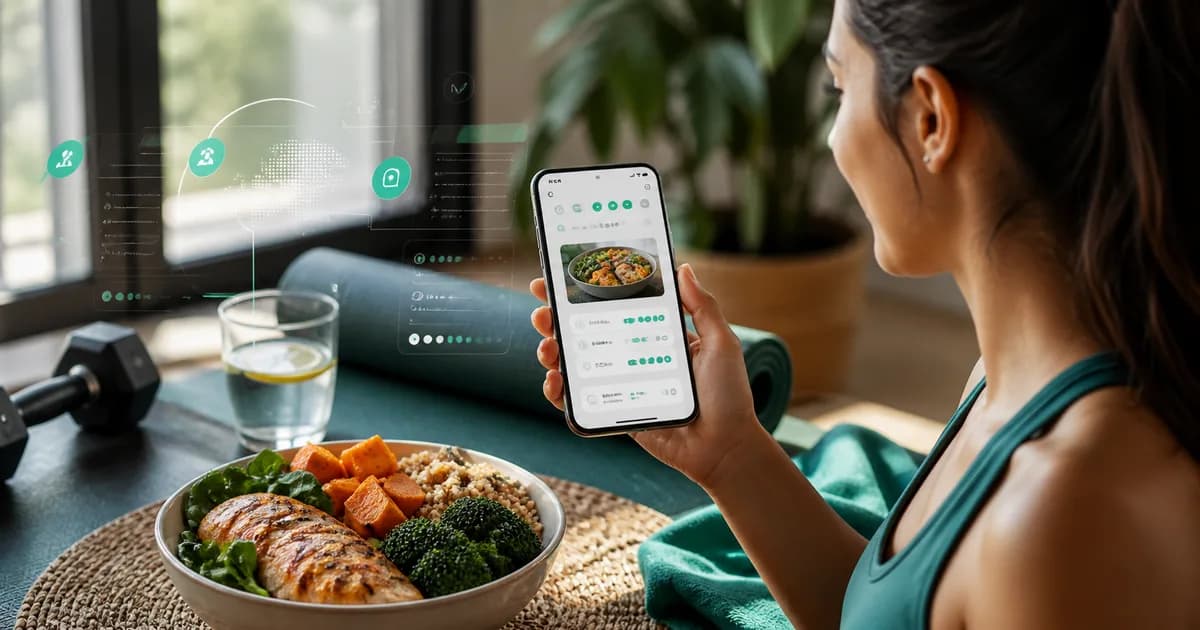
Even a well-localized plan fails if logging is a chore. Native nutrition tracking with barcode scanning and meal-photo logging removes the friction. A client scans the packaged product they bought locally, or snaps a photo of a home-cooked dish, and it is recorded without hunting through an English-only food database that lacks their regional foods. Consistent logging is the single biggest predictor of nutrition success, so the easier you make it, the better the results.
Use AI to adapt plans faster
Adapting meals to different cuisines by hand is slow. An AI assistant that helps the coach draft and adjust plans, and answers client questions in their own language, cuts that work dramatically. A client can ask for a local substitute for an ingredient and get a sensible answer in their language without waiting for you, while you keep final control over the plan.
Respect culture, budget and religion
Good localization goes beyond taste. Respect halal and other dietary rules, fasting periods like Ramadan, local price levels, and portion norms. A plan that assumes expensive imported ingredients fails a client on a normal local budget. Building around affordable, available foods is both more effective and more respectful.
Keep the plan alive with feedback in their language
A localized meal plan is not a one-time delivery. The best results come from small, regular adjustments based on what the client actually logs. When the client can leave a note in their own language saying a meal felt too heavy or a certain ingredient was hard to find, and you can respond in that language, the plan keeps improving. This two-way loop, in a shared language, is where nutrition coaching separates from handing over a static document. Clients who feel heard adjust with you instead of drifting away.
Photo logging makes this loop richer. A quick picture of what the client actually ate tells you more than a typed entry, and it works across every language because a photo needs no translation. You see the real portion, the real dish, and can give specific, localized guidance next time. Over a few weeks this builds a nutrition approach that fits the client's life rather than fighting it.
Getting started
You do not need to commit before seeing whether localized plans work for your clients. Trainera offers a free tier for up to three clients and paid plans from nineteen dollars a month, with six payment methods. Localize one or two clients' nutrition fully, watch their logging consistency, and expand from there.
Turn cultural fit into a marketing edge
Once you deliver nutrition that respects a client's language and cuisine, say so publicly. Coaches who advertise generic English meal plans blend into the crowd, while one who promises plans built around Spanish, German or Gulf home cooking, in the client's own language, stands out instantly. Testimonials that mention feeling understood carry more weight than another before-and-after photo. When prospective clients see that you plan around real local food and speak to them in their language, they assume the rest of your coaching is just as attentive, and that assumption is often what closes the sale.
The bottom line
An international roster does not need generic meal plans in English. It needs nutrition delivered in each client's language and built from the food they actually eat. Get both right, support them with easy logging and AI, and your plans stop gathering dust and start changing bodies.
Frequently Asked Questions
What makes a meal plan localized?
Is translating the plan enough?
How do clients log regional foods easily?
Can one platform deliver plans in several languages?
How can AI help with localized nutrition?
Keep Reading
Put this into practice with Trainera
Get your free AI training and nutrition plan in 60 seconds
1800+ exercises, photo-AI food logging, wearables and progress tracking - free, no card needed. Train solo or with a certified coach.
Or find a personal trainer near you