Sleep and Fitness: How Sleep Affects Your Results
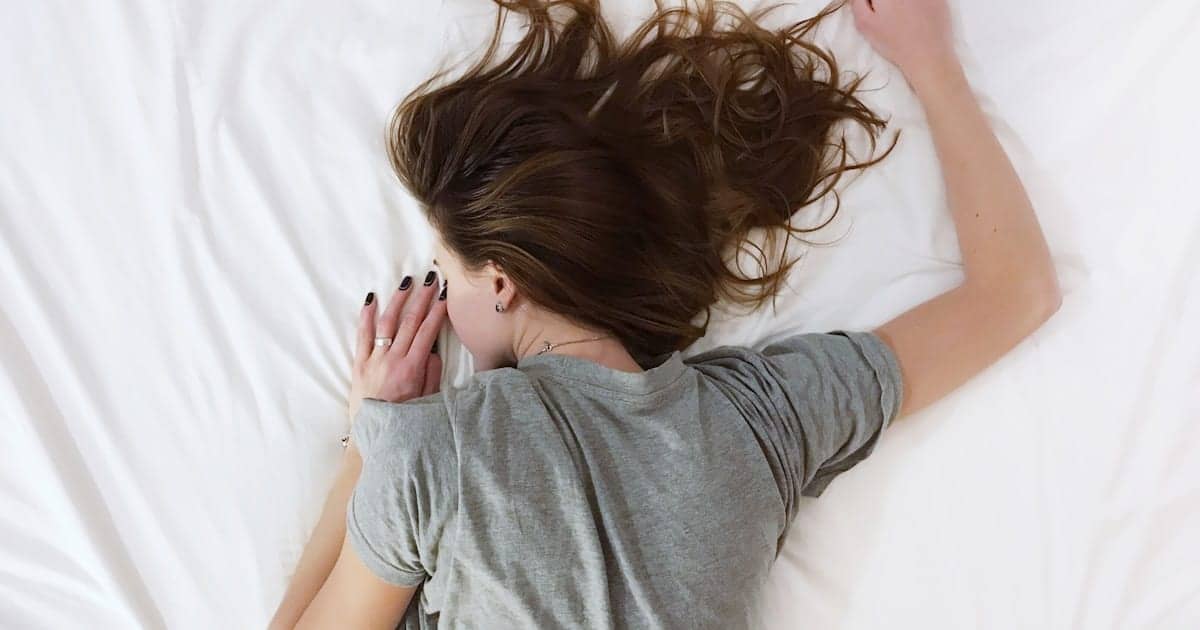
Sleep is the most neglected factor in fitness. Learn how sleep deprivation sabotages your workouts, slows muscle growth and encourages fat storage - and exactly what to do about it.
Get your free AI training and nutrition plan in 60 seconds
Why Sleep Is the Most Important Recovery Factor
Sleep is when your body actually builds the results you train for: muscle repair, growth hormone release and hormonal regulation all happen overnight, and 7-9 quality hours is the target for anyone who trains seriously. Cut your sleep short and you are quietly cutting your results short too.
You can have a perfect training program and flawless nutrition, but if you do not sleep enough, your results will be significantly diminished. Sleep is not a passive process - it is the period when your body actively rebuilds, constructs muscle tissue and regulates the hormones that directly control your body composition and performance.
Research shows that people who sleep less than 6 hours per night lose up to 60% more muscle mass while dieting compared to those who sleep 8 hours. That statistic alone shows how critical sleep is for anyone who trains seriously.
What Happens in Your Body While You Sleep
Growth Hormone Release
Roughly 70% of your daily growth hormone release happens during deep sleep (stages 3 and 4 of NREM sleep). Growth hormone is essential for muscle recovery, protein synthesis and fat burning. When you cut sleep short, you dramatically reduce your natural production of this hormone - an effect no supplement can compensate for.
Muscle Protein Synthesis
Muscle fibers damaged during training are repaired and strengthened primarily during sleep. Muscle protein synthesis (MPS) is most active in the first half of the night, which is one reason the early hours of sleep are especially important for athletes. Sleep is where the work you put in at the gym gets converted into actual tissue - the training itself is just the stimulus, as we explain in the science of recovery and why rest days are essential for progress.
Cortisol Regulation
Cortisol is a stress hormone. When it stays chronically elevated, it breaks down muscle tissue and pushes the body to store fat, especially around the abdomen. Good sleep keeps cortisol under control. A single bad night can raise cortisol levels by 37-45% the next day.
Appetite Regulation
Sleep deprivation disrupts the balance between leptin (the satiety hormone) and ghrelin (the hunger hormone). The result: after a bad night you feel hungrier, and you specifically crave high-calorie, carb-heavy foods. Research shows insufficient sleep increases daily calorie intake by 300-500 calories - enough to completely erase a calorie deficit.
How Sleep Deprivation Sabotages Your Training
Reduced Strength and Explosiveness
After a night with less than 6 hours of sleep, maximal strength can drop by 5-10%. Explosiveness and reaction speed are even more sensitive, falling by 10-15%. That means less weight on the bar, fewer reps and lower quality in every set.
Increased Injury Risk
A tired body reacts slower, coordinates worse and has reduced proprioception (your sense of body position in space). A study published in the Journal of Pediatric Orthopedics found that athletes who sleep less than 8 hours have a 1.7 times higher injury risk.
Longer Recovery Between Sessions
Sleep too little and inflammatory markers stay high for longer after training. Your muscles stay inflamed longer, you get sorer, and you need more rest between hard sessions. Recovery that normally takes 48 hours can stretch to 72 hours or more.
How Much Sleep You Need for Optimal Results
The general recommendation is 7-9 hours per night for adults. If you train intensely, aim for the upper end of that range:
- Recreational lifters (3-4x per week): 7-8 hours
- Serious trainees (5-6x per week): 8-9 hours
- Athletes in competition periods: 9-10 hours (including naps)
Sleep quality matters as much as quantity. Eight hours of fragmented sleep is not the same as 7 hours of continuous, deep sleep. If you wake up groggy despite spending enough time in bed, the tips below address quality directly - temperature, light, caffeine and evening routine are usually the culprits.
10 Practical Tips for Better Sleep
1. Keep a Consistent Sleep Schedule
Go to bed and wake up at the same time every day - including weekends. Your circadian rhythm relies on a predictable schedule. Variations larger than 30 minutes degrade sleep quality.
2. Keep Your Room Cool (18-20°C)
Your body temperature needs to drop by about 1°C for you to fall asleep. A cooler room makes that easier. If you feel cold, use a thicker blanket rather than heating the room.
3. Total Darkness
Any light - even a charger LED - can interfere with melatonin release. Use blackout curtains and remove every light source from the bedroom. An eye mask is a cheap and effective alternative.
4. No Screens 60 Minutes Before Bed
Blue light from phones, tablets and laptops suppresses melatonin by up to 50%. If you must use screens, turn on a night mode filter. The better solution: swap the phone for a book or meditation.
5. Cut Caffeine After 2 PM
Caffeine has a half-life of 5-7 hours. A coffee at 3 PM means half the caffeine is still in your system at 10 PM. If you are sensitive to caffeine, stop even earlier, around noon.
6. Evening Protein
Casein protein or Greek yogurt 30-60 minutes before bed provides a slow release of amino acids through the night, supporting muscle recovery without disturbing sleep. It pairs well with a smart post-workout recovery meal earlier in the day.
7. Magnesium Supplementation
Magnesium (200-400 mg of glycinate or bisglycinate) 30 minutes before bed improves sleep quality for many people. It acts as a natural muscle relaxant and reduces anxiety.
8. Train Regularly, but Not Too Late
Regular training improves sleep quality, but intense sessions less than 2 hours before bed can make falling asleep harder. If you train in the evening, lower the intensity or move the session earlier.
9. Build a Wind-Down Routine
Develop a 15-20 minute pre-sleep routine: stretching, deep breathing, reading or meditation. This signals your brain that it is time to rest.
10. No Alcohol as a Sleep Aid
Alcohol may help you fall asleep faster, but it dramatically reduces REM sleep quality and increases awakenings through the night. Even moderate amounts of alcohol reduce sleep quality by 24%.
Track Your Sleep and Recovery with Trainera.fit
Optimizing sleep is part of the complete fitness package. Trainera.fit connects you with certified trainers who understand that results come from the combination of training, nutrition and recovery. Your trainer can adjust training intensity and meal timing to fit your sleep pattern, making sure every part of your program works in harmony.
Use Trainera.fit to track your workouts, nutrition and progress. Talk to your trainer about the whole program, sleep quality and energy levels included. Training, food and sleep work together, so you get the best results when you manage all three. Start at https://trainera.fit.
Related reading
Frequently Asked Questions
How many hours of sleep do I need if I train every day?
Do short naps help with training recovery?
Does lack of sleep cause muscle loss?
Is it better to train in the morning or evening for better sleep?
Keep Reading
Put this into practice with Trainera
Get your free AI training and nutrition plan in 60 seconds
1800+ exercises, wearables and progress tracking, free with no card needed. AI food scanning comes with Premium. Train solo or with a certified coach.