Working Out While Pregnant: Safe Exercises by Trimester
For most healthy, low-risk pregnancies, staying active is safe and good for you and your baby. Here is a warm, practical guide to safe exercise by trimester.
Get your free AI training and nutrition plan in 60 seconds
Is it safe to work out while pregnant?
Yes. For most healthy, low-risk pregnancies, staying active is not only safe but genuinely good for you and your baby, as long as you have your doctor's or midwife's go-ahead. Exercise is one of the kindest things you can do for your changing body, and you do not need to push hard to get the benefits.
Why movement matters in pregnancy
Regular, gentle exercise during pregnancy can help in a lot of everyday ways. Many moms find it eases back pain, keeps energy up, improves sleep, and lifts mood on the tougher days. It also supports healthy weight gain, may lower the risk of gestational diabetes and high blood pressure, and can help your body feel more prepared for labor and recovery.
None of this is about "bouncing back" or chasing a certain look. It is about feeling strong, steady, and comfortable while your body does something remarkable.
First, talk to your doctor or midwife
Before you start or continue any workout routine, have a quick chat with your doctor or midwife. This is not meant to worry you - it is simply the smart first step, because every pregnancy is different. Certain conditions, like placenta issues, a history of preterm labor, or high blood pressure, may mean some activities need adjusting.
Once you have the green light, you can move with confidence. If something ever feels off, trust that instinct and check in with your care team.
Safe activities that work well in pregnancy
You do not need anything fancy. Some of the most reliable, joint-friendly options include:
- Walking - simple, free, and easy to adjust to your energy level.
- Swimming and water workouts - the water supports your weight and takes pressure off your joints.
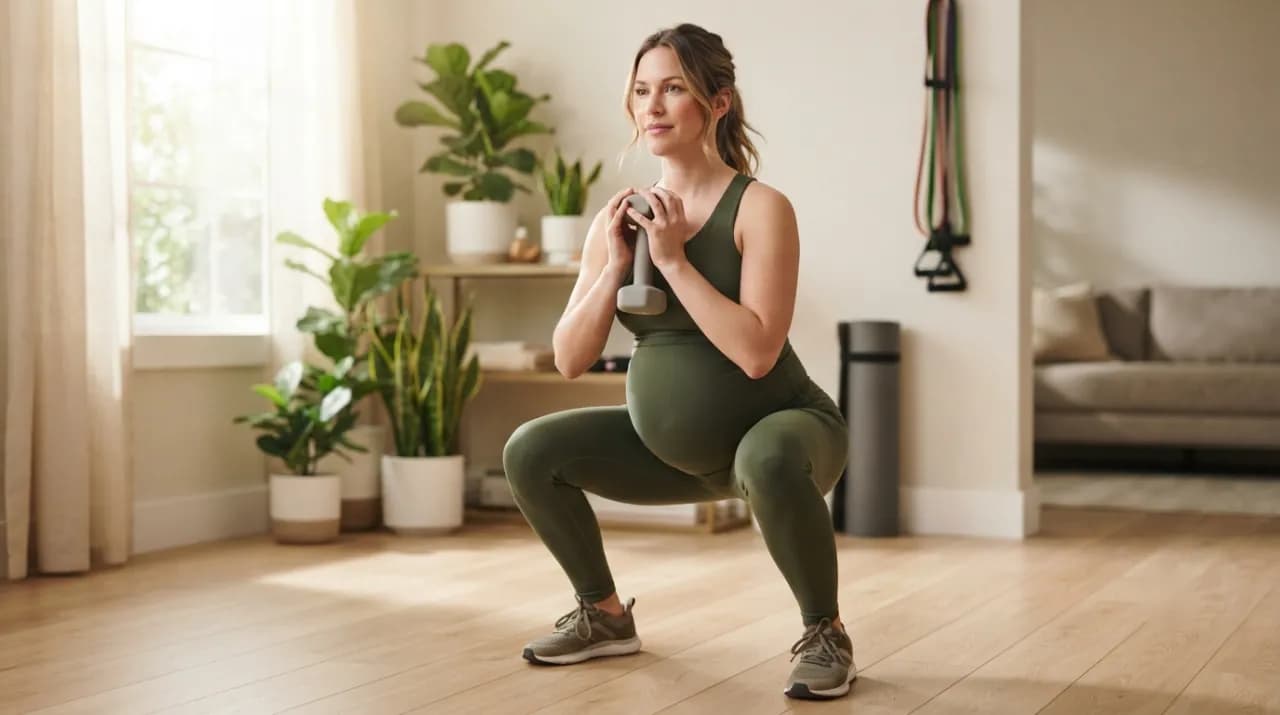
- Prenatal strength training - light to moderate resistance keeps you strong for carrying your baby and daily life.
- Stationary bike - a great low-impact option with no fall risk.
- Prenatal yoga - helps with flexibility, breathing, and calm, when it avoids deep twists and lying flat late on.
If you would rather follow a plan than piece it together yourself, Trainera.fit offers beginner-friendly, trainer-designed prenatal plans such as Prenatal Bloom (available in a 14-day and a 30-day version) and Trimester Flow, structured around 5 days a week of gentle, safe movement.
Safe exercise by trimester
First trimester (weeks 1 to 13)
Early on, you may feel great or completely wiped out by nausea and fatigue - both are normal. If you were already active, you can usually keep going at a comfortable level. If you are new to exercise, start slow with short walks and light strength work. Stay well hydrated, avoid getting overheated, and listen to your body on the low-energy days. There is no prize for pushing through exhaustion.
Second trimester (weeks 14 to 27)
This is often the sweet spot, when energy returns and the bump is still manageable. It is a great time for prenatal strength, swimming, and steady walking. One key adjustment: after around 16 weeks, avoid long periods lying flat on your back, since this position can reduce blood flow. Swap to an incline bench, your side, or standing and seated variations. As your center of gravity shifts, favor stable, supported movements over anything with a high balance demand.
Third trimester (weeks 28 to birth)
As baby grows, expect to slow down, and that is completely fine. Focus on gentle movement that feels good: walking, water workouts, stationary cycling, and light mobility. Keep sessions shorter, rest more often, and choose positions that keep you comfortable. Pelvic floor and breathing work can be especially helpful now as you prepare for birth.
How to start if you are new to exercise
If you did not train much before pregnancy, this is still a great time to begin, and starting gently is completely safe for most low-risk pregnancies once you have clearance. Begin with 10 to 15 minute walks most days and add two short prenatal strength sessions a week, using light dumbbells or resistance bands and bodyweight moves like supported squats, wall push-ups, and seated rows. Focus on learning good form and steady breathing rather than lifting heavy.
Build up slowly. Add a few minutes to your walks each week, and only increase resistance once a movement feels easy and controlled. A simple weekly rhythm might be three walks, two light strength sessions, and one gentle prenatal yoga or mobility session, with rest whenever you need it. Consistency at a comfortable effort beats the occasional hard workout, and it is exactly how the beginner-friendly plans on Trainera.fit are structured so you always know your next step.
What to avoid
A few things are best set aside until after your baby arrives:
- Contact sports and anything with a real risk of being hit, like soccer, basketball, or martial arts.
- Activities with a high fall risk, such as skiing, horse riding, or road cycling on busy routes.
- Lying flat on your back for extended periods after about 16 weeks.
- Breath-holding and heavy straining (the Valsalva maneuver) during lifts - keep breathing steady and weights moderate.
- Overheating, including hot yoga, saunas, and exercising in hot, humid conditions.
- Deep twists and intense abdominal crunches that strain the belly.
Warning signs to stop right away
Movement should feel good. Stop exercising and contact your doctor or midwife if you notice any of these:
- Vaginal bleeding or fluid leaking.
- Regular or painful contractions.
- Dizziness, faintness, or a headache that will not ease.
- Chest pain or trouble breathing.
- Calf pain or swelling.
- Your baby moving noticeably less than usual.
Keep water close, wear supportive shoes and a good bra, and warm up and cool down gently. A useful rule of thumb: you should be able to hold a conversation while you move.
An easier way to stay active
If you would love a little structure and reassurance, Trainera.fit has you covered. The Prenatal Bloom plans (14-day and 30-day) and Trimester Flow are beginner-friendly, trainer-designed, and built around 5 gentle sessions a week that adapt as your pregnancy progresses. You can also connect with a certified trainer for a fully personalized plan that fits how you feel and how far along you are.
For more on staying strong and recovering well, read our guides on safe core and ab exercises during pregnancy and when to work out after giving birth.
Remember that some movement is almost always better than none. Even on a busy day, a 10 minute walk, a few rounds of gentle breathing, and a short set of pelvic floor lifts keep the habit alive and your body moving. Small, frequent sessions are easier to sustain through pregnancy than long workouts you can only manage once in a while.
Above all, be kind to yourself. Some days you will feel like moving, and some days rest is the right choice. Both are part of a healthy, active pregnancy.
Frequently Asked Questions
Is it safe to exercise during pregnancy?
How many days a week should a pregnant woman work out?
When should I stop exercising and call my doctor?
Can I lie on my back to exercise while pregnant?
Keep Reading
Put this into practice with Trainera
Get your free AI training and nutrition plan in 60 seconds
1800+ exercises, photo-AI food logging, wearables and progress tracking - free, no card needed. Train solo or with a certified coach.