Strength Training for Women: Myths, Benefits and How to Start
A practical, myth-busting guide to strength training for women, covering benefits, programming basics and a beginner plan you can start this week.
Get your free AI training and nutrition plan in 60 seconds
Strength Training for Women: Start Here
Quick answer
Strength training builds bone density, strength and lean muscle without making women bulky, because women produce far less testosterone than men. Two or three full-body sessions a week with progressive overload is enough to see real results.
The Myths, Cleared Up
The biggest fear, getting bulky, is not how female physiology works. Building large amounts of muscle takes years of dedicated effort, and women have much lower testosterone, so lifting weights produces strength and a toned look far more often than size. Lifting also does not stunt height, harm fertility or make you inflexible when programmed sensibly.
You will not wake up big after a month of squats. What you will gain is strength, better posture and confidence under the bar.
Why Women Should Lift
The benefits are well documented and go far beyond appearance:
- Stronger bones, which matters given higher osteoporosis risk later in life
- More lean muscle, which supports metabolism and daily function
- Better joint stability and fewer aches from everyday tasks
- Improved mood, sleep and stress management
- Long-term independence and healthy ageing
The WHO recommends muscle-strengthening activity on two or more days a week for all adults, alongside regular aerobic activity.
How to Program Your Week
Beginners do best with full-body sessions two or three times a week, resting a day between them. Build each session around the main movement patterns rather than chasing isolated muscles.
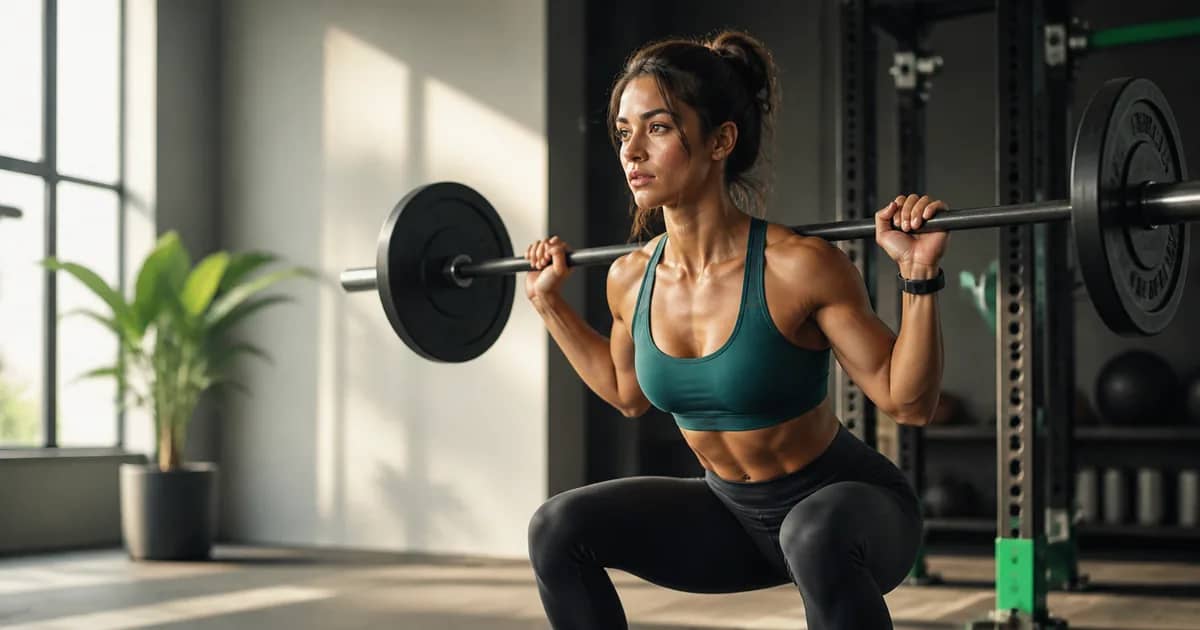
- A squat pattern, such as goblet squats or leg press
- A hinge pattern, such as Romanian deadlifts or hip thrusts
- An upper push, such as push-ups or dumbbell press
- An upper pull, such as rows or lat pulldowns
- A core exercise, such as planks or dead bugs
Do two or three sets of 8 to 12 reps to start. Leave one or two reps in the tank, and add a little weight or a rep when a set feels easy. That gradual increase, called progressive overload, is what drives results.
Getting Started Safely
Learn technique before chasing heavy weight. Start light, film your form or ask a coach, and prioritise a full, controlled range of motion. The American College of Sports Medicine emphasises technique and gradual progression for new lifters. See ACSM for their resistance-training guidance.
Warm up with five minutes of easy movement and a couple of light sets before your working weight. Soreness in the first weeks is normal and eases as your body adapts.
Nutrition and Recovery
Muscle is built with enough protein and adequate rest, not just training. Aim for protein spread across the day, sleep well and give each muscle group a day or two to recover. Consistency over months, not intensity in a single week, is what changes your strength and shape.
Training Through Life Stages
Strength training adapts to different phases of life rather than being reserved for the young. Many women train comfortably through their menstrual cycle, adjusting intensity on lower-energy days and pushing when they feel strong, all of which is normal. During and after pregnancy, exercise is generally encouraged, but this is a moment to work with a qualified professional and your own healthcare provider rather than following generic advice.
Around and after menopause, strength training becomes even more valuable. It helps counter the natural loss of muscle and bone density that accelerates with hormonal changes, supporting independence and reducing fracture risk. The NHS highlights weight-bearing and resistance exercise as important for bone health as we age.
Staying Consistent and Tracking Progress
Results come from showing up over months, so build a routine you can sustain rather than an intense plan you abandon in two weeks. Track your sessions, even simply, by noting the weight and reps you used. Watching those numbers climb is motivating and is the clearest proof that progressive overload is working.
- Pick fixed training days so the habit runs on autopilot
- Log weights and reps to see progress you might not feel day to day
- Celebrate strength milestones, such as a first full push-up
- Adjust when life is busy rather than quitting entirely
Progress is rarely a straight line. Some weeks you will feel strong and some flat, and both are part of a normal training year.
Equipment and Where to Train
You do not need a fully equipped gym to start. A pair of adjustable dumbbells, a resistance band and your own bodyweight cover almost everything a beginner needs for the first few months. At home, goblet squats, hip thrusts, dumbbell rows, presses and split squats build a genuinely effective full-body session. A gym adds barbells, machines and heavier loads, which become useful as you get stronger and want to keep progressing.
Whichever you choose, prioritise a setup you will actually use often. The most effective equipment is the equipment that fits your life, because consistency over months is what builds strength, not the fanciest rack in the building.
Handling Soreness and Rest Days
Muscle soreness in the days after training, especially when you are new, is normal and not a sign of damage. It usually eases within a couple of days as your body adapts, and it lessens as you keep training. Rest days are not wasted time, they are when your body repairs and gets stronger. Building two or three sessions a week with rest between them is not a compromise, it is the design that lets you keep showing up. Gentle movement like walking on off days can ease stiffness. If a joint hurts sharply rather than a muscle feeling worked, that is a signal to check your technique or speak to a professional.
If you want a beginner-friendly plan that progresses your weights and tracks every session, Trainera builds your training and nutrition around your goals.
Frequently Asked Questions
Will strength training make women bulky?
How often should women strength train?
What are the benefits of lifting for women?
How many reps and sets should a beginner do?
Do I need protein to build muscle?
Keep Reading
Put this into practice with Trainera
Get your free AI training and nutrition plan in 60 seconds
1800+ exercises, wearables and progress tracking, free with no card needed. AI food scanning comes with Premium. Train solo or with a certified coach.