AI Photo Meal Analysis for Gulf Cuisine: Snap a Plate, Get Calories and Macros
See how AI photo meal analysis reads Gulf and Arabic dishes like kabsa, machboos and mezze, gives you calories and macros in seconds, and why it beats typing every item into a global app.
Get your free AI training and nutrition plan in 60 seconds
TL;DR
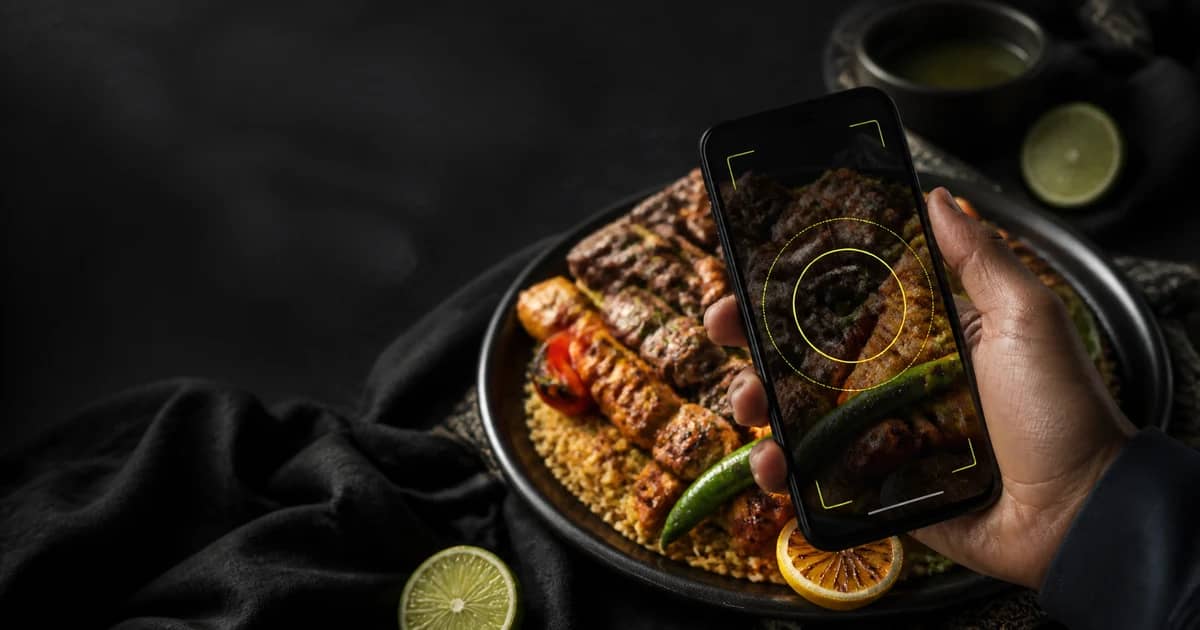
Logging Gulf food by hand is slow and error prone because most calorie apps were built around Western meals. AI photo meal analysis lets you photograph the plate and get recognized foods with calories and macros, which fits how people here actually eat: shared platters, mixed rice dishes and mezze spreads.
- Snap instead of type. Point your camera at kabsa, machboos or a mezze table and the app estimates calories and macros for you.
- Better for local food. Global databases miss regional dishes, so photo analysis plus barcode scanning covers more of what is actually on your plate.
- Accuracy is a habit. Good lighting, a top-down angle and quick portion edits get you within a useful range for fat loss or muscle goals.
- Trainera does it in Arabic. Full right-to-left interface, AI photo analysis, barcode scanning and an AI nutrition chat in one app on web, iOS, Android and Apple Watch.
At a Glance
| What matters for Gulf food | Solo / global apps | Trainera |
|---|---|---|
| Photo meal analysis | Sometimes, often paywalled | Yes, photograph a meal for foods, calories and macros |
| Arabic interface and RTL | Rare or partial | Full Arabic with complete right-to-left layout |
| Barcode scanning | Yes, but skewed to Western products | Yes, for packaged items and drinks |
| AI nutrition chat | Uncommon | Ask about a dish or swap and get an answer |
| Macro charts and history | Basic in free tiers | Diet tracker with history, macro charts and water tracking |
| Recipes with macros | Large but generic | 1,100+ recipes with macros and diet tags |
| Allergen and diet preferences | Limited | Set allergens and dietary preferences |
| Shopping list | Manual | Auto-generated from your plan |
| Price to start | Free tier, key features locked | Free plan to start, fair paid tiers |
Why manual logging fails for Gulf meals
Most calorie counters were designed for a plate with a piece of chicken, a scoop of rice and a side of vegetables, each item logged on its own line. Gulf meals do not look like that. A kabsa is rice, meat, onions, tomato and a spice mix cooked together in one pot. A machboos plate mixes similar components with dried lime and its own blend. Mezze arrives as ten small bowls that everyone shares. Trying to type each of these into a global database means hunting for entries that often do not exist, guessing grams, and giving up halfway through the meal.
The result is that a lot of people in Saudi Arabia, the UAE and across the wider region either stop tracking or log a rough Western substitute that misses the oil, ghee and rice quantities that actually drive the calories. If you have ever searched an app for machboos and found nothing useful, you know the friction. That friction is the real reason people quit, not a lack of willpower.
How AI photo meal analysis works
Instead of typing, you take a photo of the plate. The AI recognizes the foods it can see, estimates portion sizes, and returns calories and macros for the meal. In Trainera you photograph the meal, review the recognized foods, adjust anything that looks off, and save it to your diet tracker in seconds. For packaged items like laban, juice or a protein bar, barcode scanning pulls the exact label values, and the AI nutrition chat lets you ask about a dish or a swap without leaving the app.
This matters most for the mixed dishes that break manual logging. A camera does not care whether the food has a clean database entry. It looks at rice, meat and sauce, gives you a starting estimate, and lets you correct the portion. For a shared platter you photograph your own portion after you serve yourself, which is far more realistic than trying to reverse engineer a communal dish line by line.
Getting accurate results with local dishes
Photo analysis is an estimate, and a few habits push that estimate into a genuinely useful range. Shoot from slightly above so the AI can see the whole plate and judge depth. Use natural light where you can, since a dim majlis corner hides the food. Get the full portion in frame before anyone starts sharing. After the app reads the meal, spend five seconds confirming the big drivers: the amount of rice, whether the meat was cooked in ghee, and any extra oil or dates on the side.
For rice-heavy dishes, portion is everything, so if the app guesses one cup and you took two, fix it. For fried items like sambousek or a grilled mixed grill, the cooking fat is where hidden calories live, and a quick edit handles it. Over a week these small corrections teach you what your normal portions look like, which is the whole point of tracking. If you want to sanity check your daily targets while you learn, the calorie calculator and the macro calculator give you a baseline to aim for.
Ramadan, iftar and shared tables
Ramadan is when accurate, fast logging matters most and manual entry hurts most. Iftar starts with dates and laban, moves through soup and sambousek, then a main like machboos, and often ends with sweets. That is a lot of separate items in a short window, usually eaten with family rather than alone with your phone. Snapping the plate lets you capture the meal without turning a shared moment into a data entry task, then review it later. Suhoor is the same story in reverse, a quick photo of foul, eggs or oats before you sleep.
If you are training through the fasting month, pairing photo logging with a plan built for the season helps. We cover the food side in detail in the guide to Ramadan nutrition for suhoor and iftar macros, and the training side in the training during Ramadan guide. Photo analysis keeps your intake honest during a month when portions swing a lot from night to night.
Privacy, Arabic and doing it in one app
A photo of your dinner stays a photo of your dinner. You are not posting it anywhere, you are logging it privately in your own tracker, which suits people who value keeping their routine to themselves. That privacy point matters across the Gulf, and it is one reason an all-in-one app you control beats scattering your data across several tools. Working in your own language helps too. Trainera runs a full Arabic interface with complete right-to-left layout and automatic language detection, so the food names, macros and charts read naturally rather than feeling translated.
Doing everything in one place is the practical win. Your photo-logged meals feed the same diet tracker that shows macro charts, history and water tracking, sit next to your training plan, and sync with your health data from Apple Health, Health Connect and other wearables. If you want a wider view of tracking local food, the guide to a calorie counter for Middle Eastern foods and the overview of the best Arabic fitness app both go deeper.
Where other apps still fit
To be fair, global apps like MyFitnessPal built huge barcode databases and remain fine for packaged food and common Western meals. If most of your diet is protein shakes, packaged snacks and simple plates, they will serve you. The gap shows up with regional cooking and with language. If you eat kabsa, machboos, mandi and mezze regularly, and you want the app in Arabic, a tool built with photo analysis and local food in mind saves you real time every day. Honesty about that trade off matters more than pretending one app wins everything.
You can start free, add photo logging with Premium, and see for yourself whether snapping your plate is faster than typing it. Photograph one kabsa dinner, adjust the rice portion, and compare that to hunting for entries in a generic database. Most people who eat local food notice the difference on the first meal. Start free with Trainera and upgrade to Premium to log your next plate with a photo instead of a keyboard.
Related reading
Frequently Asked Questions
Can AI photo analysis really read Gulf dishes like kabsa and machboos?
How accurate is snapping a photo compared to weighing food?
Does Trainera work in Arabic with right-to-left layout?
Is photo meal logging useful during Ramadan?
Keep Reading
Put this into practice with Trainera
Get your free AI training and nutrition plan in 60 seconds
1800+ exercises, wearables and progress tracking, free with no card needed. AI food scanning comes with Premium. Train solo or with a certified coach.