17 Best Foods to Eat to Build Muscle Fast
The best foods to build muscle are high in protein, support muscle protein synthesis, and provide the energy your body needs to train hard and recover well. This guide covers 17 proven picks across every food group.
Get your free AI training and nutrition plan in 60 seconds
The Best Foods to Eat to Build Muscle
The best foods to eat to build muscle are those that deliver high-quality protein, enough calories to support a positive energy balance, and the micronutrients your body needs to repair and grow muscle tissue after training. Getting your nutrition right is just as important as the hours you put in at the gym - no training program can compensate for a diet that consistently falls short on the basics.
Why Food Quality Matters for Muscle Mass
Building muscle is a biological process that depends on muscle protein synthesis - the mechanism by which your body repairs and adds new muscle fibers after a workout. To drive that process, you need a steady supply of amino acids from dietary protein, enough carbohydrate to keep your training intensity high, and adequate fat to support hormones like testosterone that influence muscle growth.
High quality food choices make this easier because they deliver more nutrients per calorie. A grilled chicken breast, for example, gives you around 31 grams of protein with very little fat and almost no wasted calories. Processed foods often do the opposite: lots of calories, low protein, and minimal micronutrients. For long-term health and consistent progress, prioritizing whole, minimally processed foods is the most reliable strategy.
If you want a deeper look at how protein targets actually break down by bodyweight, check out the How Much Protein You Need to Build Muscle guide for evidence-based numbers.
The Top Protein Sources for Building Muscle
1. Chicken Breast
Chicken breast is the classic muscle-building staple for a reason. It is high in protein, low fat, and extremely versatile. A 150-gram cooked serving delivers roughly 45 grams of protein and keeps total calorie intake manageable even when eating in a moderate surplus. It is a practical anchor food for anyone tracking macros.
2. Whole Eggs
Whole eggs are one of the most complete foods in a muscle-building diet. The whites supply leucine-rich protein that directly triggers muscle protein synthesis, while the yolks provide healthy fats, vitamins D and B12, and choline - a nutrient that supports muscle function. Unless you have a specific medical reason to avoid yolks, eating the whole egg is the smarter choice. For a broader look at how much protein to prioritise and where to get it, see Harvard's protein guidance.
3. Salmon
Salmon stands out because it combines high-quality protein with omega-3 fatty acids. Omega-3s have been shown to reduce exercise-induced inflammation and may enhance the rate at which muscle protein synthesis occurs following resistance training. Aim for two servings of fatty fish per week as part of a balanced fitness diet.
4. Greek Yogurt
Greek yogurt is a convenient, low fat protein source that also delivers calcium and casein - a slow-digesting protein that helps support muscle repair overnight. A 200-gram serving typically contains 17 to 20 grams of protein. It works well as a snack, a post-workout meal component, or a base for higher-calorie smoothies when you need more total weight on the scale.
5. Cottage Cheese
Like Greek yogurt, cottage cheese is rich in casein protein and pairs easily with fruit, nuts, or whole-grain crackers. It is low in calories relative to its protein content, making it useful for people trying to build muscle without gaining excessive body fat.
6. Lean Beef
Lean cuts of beef - such as sirloin or extra-lean ground beef - provide a complete amino acid profile along with creatine, iron, and zinc, all of which play roles in energy production and muscle function. Beef is particularly useful for athletes who find it difficult to stay in a caloric surplus using only chicken and fish.
7. Tuna
Canned tuna is one of the most affordable high-protein foods available. A standard 185-gram can of tuna in water contains around 40 grams of protein with almost no fat and minimal calories. It is a practical choice for busy people who need a fast, no-cook protein source to hit daily targets.
Best Carbohydrate Sources to Fuel Muscle Growth
Carbohydrates are the body's preferred fuel source during intense resistance training. Without adequate glycogen stores, your strength and volume in the gym drop - and reduced training quality means a weaker growth stimulus. The best carb sources for building muscle are those that digest steadily and come packaged with fiber and micronutrients, the kind Harvard's carbohydrate guidance recommends as part of a healthy diet.
8. Oats
Oats are a staple of muscle-building meal plans because they provide slow-releasing energy, beta-glucan fiber for gut health, and a surprisingly useful amount of protein compared to other grains. A large bowl of rolled oats before a morning session is one of the most effective pre-training carbohydrate choices you can make.
9. Sweet Potatoes
Sweet potatoes deliver complex carbohydrates alongside vitamins A and C, potassium, and antioxidants. They are calorie-dense enough to support a bulking phase and gentle on digestion, making them easy to include in large quantities without discomfort.
10. Brown Rice and White Rice
Brown rice offers more fiber and micronutrients, while white rice digests faster - making it particularly useful as a post-workout carb source when you want rapid glycogen replenishment. Both are excellent staples for building muscle mass over time.
11. Quinoa
Quinoa is exceptional because it is one of the few plant based foods that contains all nine essential amino acids, making it a valuable grain for anyone eating a vegetarian or plant-based diet. It works as both a carbohydrate and a secondary protein source in muscle-building meals.
Healthy Fats That Support Muscle Growth and Overall Health
12. Avocados
Avocados are calorie-dense and rich in monounsaturated fats, which support testosterone production and cardiovascular health - both important factors for long-term fitness progress. They are ideal for people who struggle to eat enough total calories to stay in the surplus required for muscle gain.
13. Nuts and Nut Butters
Almonds, walnuts, and natural peanut butter are compact, calorie-rich foods that make it easier to hit energy targets when appetite is low. They also supply magnesium, vitamin E, and healthy fats that support muscle recovery and overall health. A tablespoon of almond butter stirred into oats or a smoothie is an easy calorie boost.
Plant-Based Options That Build Muscle
A plant based approach to building muscle is entirely achievable when you plan carefully. The key is combining diverse plant proteins so that no essential amino acid is chronically low in your diet.
14. Lentils and Legumes
Lentils, chickpeas, and black beans are high in protein and complex carbohydrates, giving them a dual role in any muscle-building meal plan. A cup of cooked lentils provides roughly 18 grams of protein alongside slow-digesting starch that keeps energy stable during training.
15. Tofu and Tempeh
Tofu and tempeh are among the most protein-dense plant based foods available. Tempeh in particular is fermented, which improves digestibility and adds gut-friendly bacteria. Both absorb flavors easily, making them adaptable ingredients across a wide range of recipes. For a complete guide on how to structure your intake, see the Vegan Bodybuilding: Build Muscle on a Plant-Based Diet guide.
16. Edamame
Edamame - young soybeans - deliver around 17 grams of protein per cup and contain all essential amino acids. They make an easy, high-protein snack that requires virtually no preparation, which helps you stay on track with protein targets on busy days.
One Food That Covers Multiple Bases
17. Low-Fat Dairy (Milk, Skyr)
Low-fat milk and skyr (Icelandic-style strained yogurt) provide a blend of whey and casein protein, plus calcium and vitamin D. Research on post-workout nutrition suggests dairy-based protein sources are particularly effective at supporting muscle protein synthesis, partly because of their leucine content and their amino-acid ratio.
How to Put These Foods Together in a Practical Eating Plan
Knowing which foods to eat is step one. The harder part is structuring them consistently into meals that actually hit your protein, calorie, and carbohydrate targets day after day. A general template for most people building muscle looks like this:
- Breakfast: Oats with Greek yogurt, berries, and a handful of nuts.
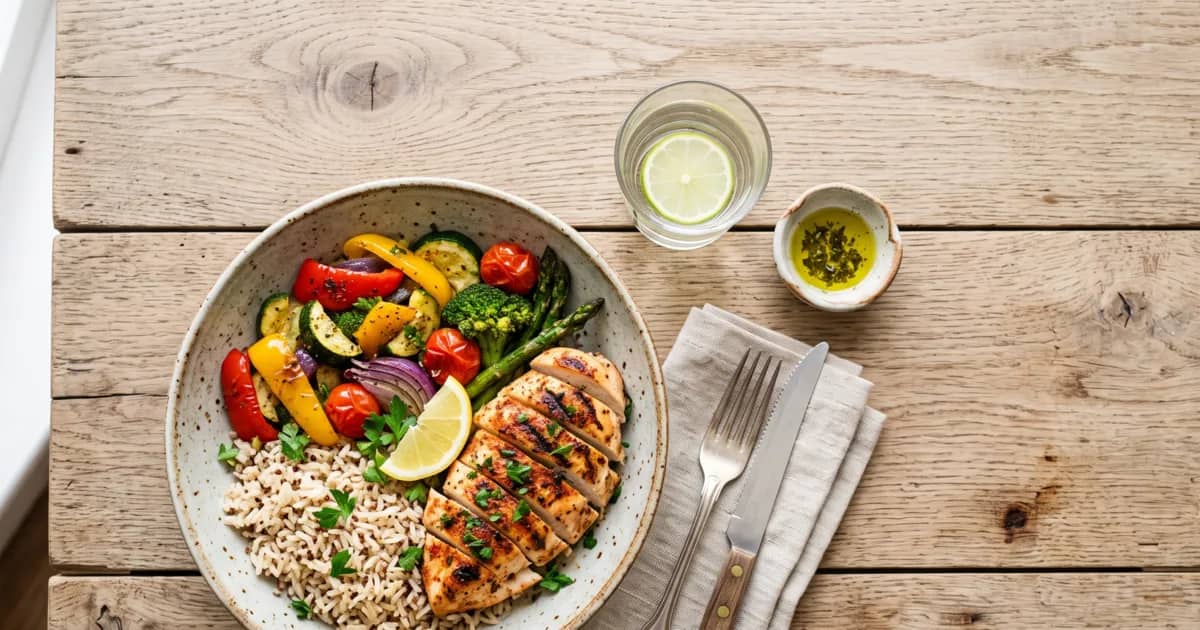
- Lunch: Grilled chicken, brown rice, and a large serving of vegetables.
- Pre-workout snack: A banana and cottage cheese, or a slice of whole-grain toast with nut butter.
- Post-workout meal: Salmon or lean beef with sweet potato and steamed broccoli.
- Evening snack: Greek yogurt or skyr with mixed seeds.
Adjusting portion sizes - not food choices - is usually the lever that moves the needle. If you are struggling to gain weight, eat larger portions at existing meals rather than adding entirely new meals. Tracking your intake for even two to three weeks builds a strong intuition for where your diet falls short.
Trainera.fit includes a built-in food and diet tracker that makes this process straightforward - you can log meals, monitor your daily protein and calorie totals, and review your progress over time without juggling multiple apps.
Common Mistakes That Slow Muscle Gain
- Not eating enough total calories: Muscle growth requires a caloric surplus. Even the best protein sources cannot build mass if you are burning as many calories as you eat.
- Over-relying on supplements: Whole foods deliver micronutrients, fiber, and bioactive compounds that protein powders simply cannot replicate. Supplements should fill gaps - not replace meals.
- Ignoring carbohydrates: Low-carb diets often reduce training quality, which limits muscle growth stimulus over time.
- Inconsistency: Eating well for three days and then poorly for four produces very little progress. It is far better to stay consistent with a moderate, sustainable diet than to cycle through extremes.
Tracking Progress and Staying Consistent
Nutrition for muscle building is a long game. Results from consistent, high-quality eating typically become visible after eight to twelve weeks of sustained effort - not overnight. To stay motivated and on track, many people find it helpful to log workouts alongside their meals so they can see how nutrition directly influences performance in the gym.
Platforms like Trainera.fit let you do exactly that - track your food, log your training sessions, and connect with a certified personal trainer who can adjust your plan as your body changes and your goals evolve. Your data stays private and is never shared without your permission, so you can track honestly without concern.
If you want to go deeper on structuring your overall eating approach around muscle gain, the Meal Plan for Muscle Gain: A Lean Bulk Guide gives you a practical week-by-week framework to follow alongside this food list.
Putting the Best Foods to Build Muscle on Your Plate
Building muscle comes down to eating enough high-quality protein for repair, enough carbohydrates to fuel your training, and enough total calories to stay in a moderate surplus. The seventeen foods above, from chicken breast and eggs to lentils, tofu and quinoa, are the most practical, evidence-supported picks for any diet, plant-based included. Eat them consistently. Train hard and sleep well, and your muscle mass will grow.
Frequently Asked Questions
What is the single best food to eat to build muscle?
How much protein do I need each day to build muscle?
Can you build muscle on a plant-based diet?
Are carbohydrates important for building muscle?
Keep Reading
Put this into practice with Trainera
Get your free AI training and nutrition plan in 60 seconds
1,970+ exercises, wearables and progress tracking, free with no card needed. AI food scanning comes with Premium. Train solo or with a certified coach.